
Debunking common gambling myths what every player should know
Understanding the Randomness of Games
One of the most pervasive myths in gambling is that players can influence the outcome of games like slots or roulette through strategies or patterns. This myth stems from a misunderstanding of how these games are designed. Most casino games utilize Random Number Generators (RNGs) that ensure each spin or deal is completely random. This means that no matter what tactics a player employs, the odds remain unchanged and are always in favor of the house. For those looking to understand more about managing their gameplay, visiting https://venus22-australia.com/withdraw/ can provide useful insights.

Moreover, this belief can lead players to chase losses, thinking that a big win is just around the corner if they play longer. This chasing behavior often results in greater losses. Players need to recognize that gambling should be treated as entertainment rather than a reliable source of income. Understanding the mechanics of games can help mitigate unrealistic expectations and foster healthier gambling habits.
In contrast, some players mistakenly think that winning streaks will continue based on their past success. This is known as the “gambler’s fallacy.” Each game is an independent event, meaning past results do not influence future outcomes. Acknowledging this randomness can lead to more responsible gambling and prevent players from making decisions based on flawed logic.
The House Edge Explained
Another common misconception is that all games have the same probability of winning. In reality, every game in a casino has a built-in advantage for the house, known as the house edge. This percentage varies by game; for example, slots typically have a higher house edge compared to blackjack. Understanding this concept is crucial for players, as it directly impacts their long-term expectations and betting strategies.
Players often assume that by sticking to games with lower house edges, they can maximize their chances of winning. While this is true to an extent, the house edge does not guarantee short-term results. For instance, a player might enjoy a winning session on a slot machine despite its higher house edge, leading them to believe it offers a better chance. However, over time, the statistical advantage will favor the casino.
Furthermore, some players mistakenly think they can overcome the house edge through betting systems. While these systems can provide a structured approach to betting, they cannot change the fundamental odds of the games. Thus, players should approach gambling with a clear understanding of the house edge and the implications it has on their gaming experiences.
The Myths of “Hot” and “Cold” Machines
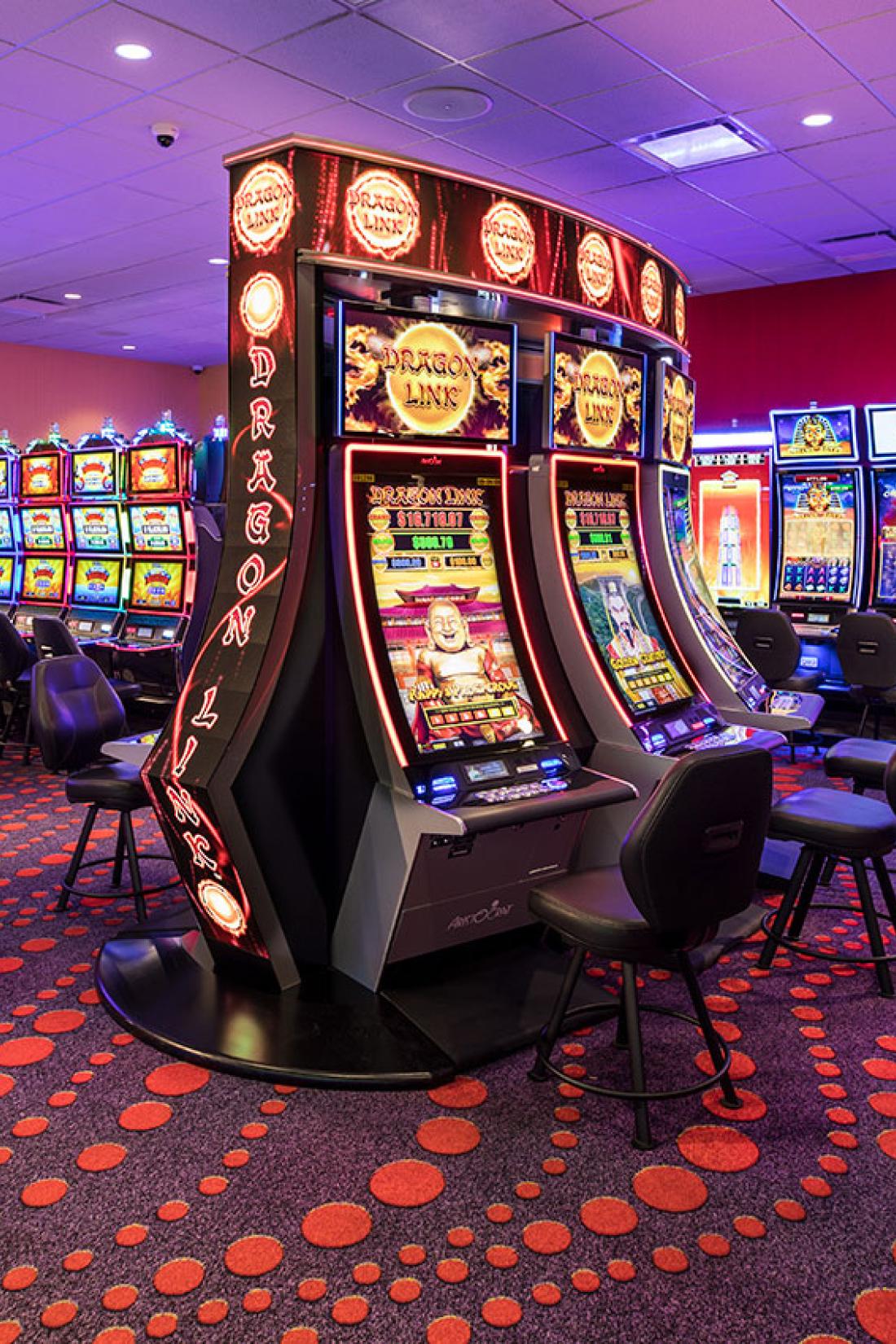
Many players believe in the notion of “hot” and “cold” machines, especially in slot games. A “hot” machine is perceived to be due for a payout, while a “cold” machine is thought to have used up its chances. This belief is rooted in the desire for predictability in a fundamentally random activity. However, this concept is a myth, as each spin is independent and completely random.
This myth can lead to poor decision-making, as players may waste time or money on machines they believe are less likely to pay out. The reality is that each slot machine operates on an RNG, meaning the outcome of each play is unrelated to previous spins. The casino’s programming ensures that over time, each machine will pay out based on its set return-to-player percentage.
Understanding this can prevent players from falling into the trap of superstitious thinking. It is essential to approach slot gaming with a rational mindset, acknowledging that luck plays a significant role. Players should focus on enjoying the game rather than trying to identify patterns that simply do not exist.
Compulsive Gambling and Its Misconceptions
Another prevalent myth is that only certain individuals become addicted to gambling, while others can control their habits. This misconception minimizes the complex psychological factors that contribute to compulsive gambling. In reality, anyone can develop problematic gambling behavior, regardless of their background or perceived self-control.
The allure of big wins, combined with easy access to gambling venues and online platforms, has increased the risk of developing harmful habits. Recognizing this reality is vital for all players. Understanding the signs of problematic gambling, such as neglecting personal responsibilities or feeling an urge to gamble despite losses, can lead to better awareness and early intervention.
Furthermore, gambling addiction is often accompanied by feelings of shame or denial, making it difficult for individuals to seek help. Creating an open dialogue about gambling issues and encouraging responsible gaming can help break down these barriers. The gambling community must foster an environment where seeking assistance is normalized and encouraged.
Resources for Responsible Gambling
For those seeking guidance on responsible gambling practices, there are numerous resources available. Many casinos provide information on self-exclusion programs and responsible gaming initiatives. These tools can be invaluable for individuals who recognize the need to limit their gambling activities or take a break altogether.
Additionally, there are several organizations dedicated to supporting individuals struggling with gambling addiction. These organizations offer counseling, educational resources, and support groups that can help players address their gambling behaviors. Understanding that help is available can empower individuals to take charge of their gaming habits and make informed decisions.
Creating a culture of responsibility within the gambling community is essential. Players should be educated about the potential risks associated with gambling while being encouraged to set limits and prioritize their well-being. By acknowledging the realities of gambling and the resources available, players can engage in a healthier gaming experience that is enjoyable rather than harmful.
